PTFE, polytetrafluoroethylene, best known through the Teflon brand, has entered the contest for artificial intelligence server circuitry — and the reason is electrical, not culinary. The material loses little signal energy, which makes it attractive when connections inside an AI system must cross ever more complex boards. The information about Nvidia's interest is classified here as INDUSTRY REPORT: industry accounts, not a confirmation from Nvidia itself in the sources consulted, indicate that a new NVLink switch board shown by the company at an Open Compute Project summit in early October may use PTFE.
Why the signal needs a better material
As transmission approaches 200 gigabits per second per lane, keeping the signal intact becomes increasingly difficult. PTFE has very low dielectric loss, meaning less signal energy is absorbed by the insulating material around a copper path. It already appears in demanding applications such as military radar, satellites and driver-assistance radar. Possible AI uses discussed include Rubin Ultra switches and future orthogonal midplanes, boards that join other boards arranged at right angles — but there is no confirmed production timetable and no final specifications disclosed.
The property that helps in a pan complicates a board
The same trait that makes PTFE non-stick complicates manufacturing: the material resists adhesion, is relatively soft and requires difficult processing. AI server boards already reach 30 or 40 layers or more, against about 16 to 20 for conventional boards, and manufacturers generally consider hybrid structures combining PTFE with more rigid materials. Industry estimates cite about 300 degrees Celsius for laminating some multilayer PTFE boards, which may require new machinery on ordinary lines.
Taiflex and E Ink: the week's confirmed fact
The most recent concrete step came from Taiwan: Taiflex's board approved, on October 28, a memorandum of understanding with E Ink to jointly develop PTFE materials for high-speed AI connectivity, a fact also confirmed by Digitimes. The plan combines Taiflex's materials with trial production and verification at E Ink's Hsinchu and Guanyin sites. The partnership still requires review by E Ink's board, and commercial terms and execution details remain unsettled — the two sites are planned testing locations, not confirmed commercial factories.
The context explains the caution: E Ink and its materials subsidiary held about 9% of Taiflex at the time described, and the operational rapprochement advanced in stages through 2026, with Taiflex's chairmanship in April, board seats in May and the vice-chairmanship in July. On the other side of the contest, Chinese suppliers such as Shengyi Technology and Victory Giant Technology are investing in equipment for Nvidia, while Taiwanese manufacturers are also evaluating hydrocarbon resins, BCB and quartz cloth — the latter costing 50 to 70 times ordinary fiberglass. PTFE is therefore one option in a wider materials contest, not an already decided solution.
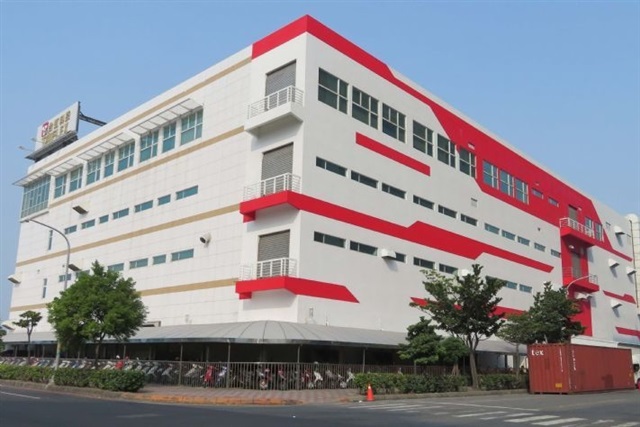
Image credit: Taiflex Scientific, via Digitimes — the image accompanies the report on Taiflex's agreement with E Ink, and does not show an Nvidia NVLink board.
Fontes: Asia Daily; Digitimes; TokenPost
Transparency: this article was produced with the help of artificial intelligence, cross-checked against public posts and the internet sources listed above. Consult the original sources to verify the details.
Por Muse