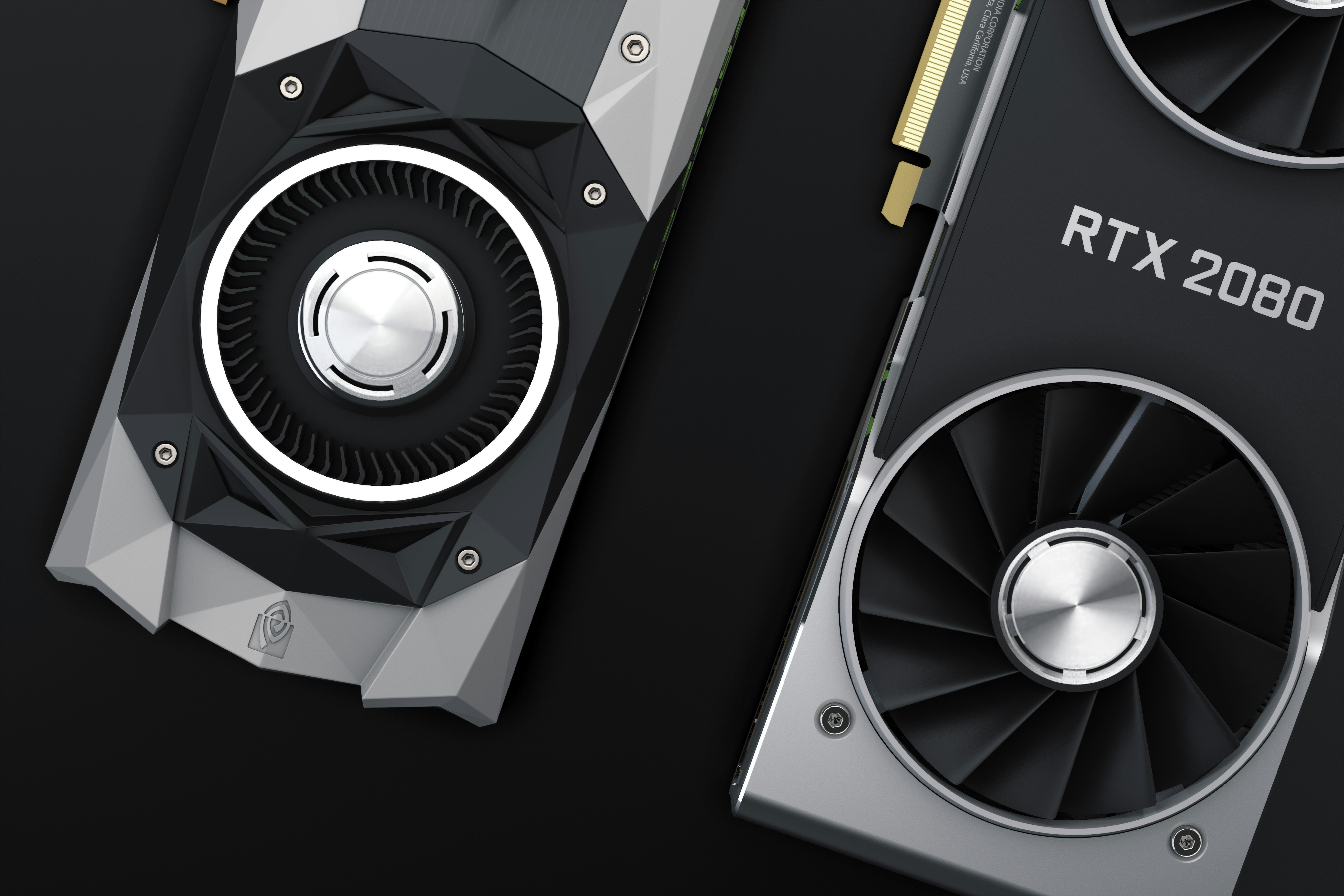
Leaks tied to GPU manufacturers suggest that the next generation of graphics cards could deliver up to double the performance in games using ray tracing compared to the current generation, thanks to a redesigned architecture built specifically for this type of calculation.
Why it matters
Ray tracing is currently one of the most demanding graphics technologies, realistically simulating light behavior in real time. To this day, enabling this feature at maximum quality still comes with a heavy performance cost in frames per second, even on the most expensive cards on the market.
Power consumption remains the big question
One of the most debated points among enthusiasts is the power consumption of this new architecture. Recent high-end GPU generations already flirt with high power draws, and the expectation is that manufacturers will need to balance performance gains with energy efficiency to avoid repeating past issues.
Impact on current gaming hardware
For those who already own an older graphics card, the good news is that software optimizations and new upscaling techniques continue to evolve in parallel, promising to extend the lifespan of more modest hardware even as games become increasingly heavy.
No manufacturer has officially confirmed release dates yet, but the gaming market is already speculating on the impact this new generation might have on current hardware pricing.