DirectX Raytracing Clustered Geometry arrives in the Agility SDK 1.722 preview and represents the biggest update to DirectX Raytracing (DXR) since 2018. Microsoft introduced Clustered Geometry and Partitioned TLAS, technologies that promise to drastically cut memory usage and acceleration structure build times in dynamic scenes.
What happened?
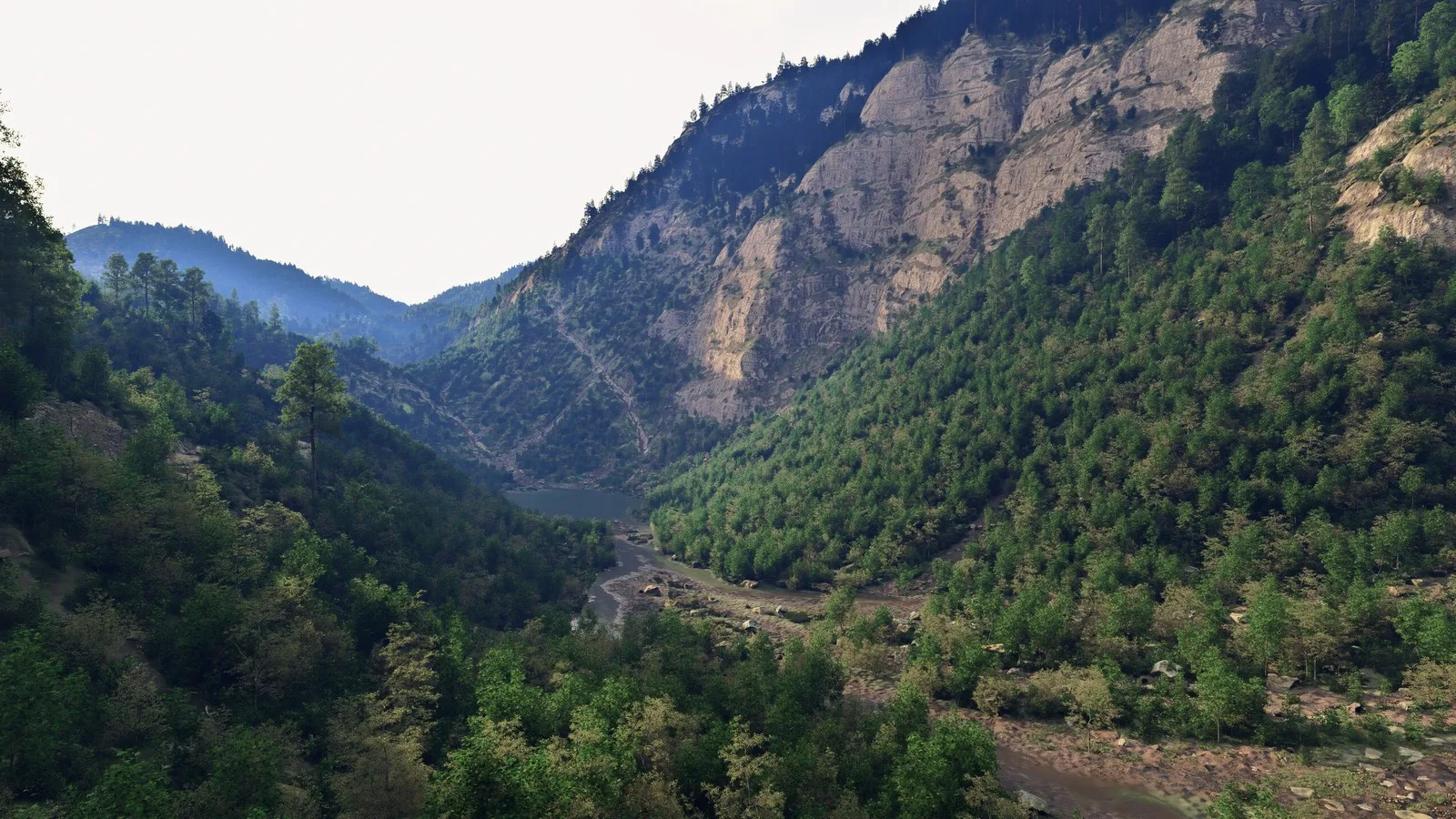
On October 28, 2026, Microsoft released the Agility SDK 1.722 preview. The new features let developers split geometry into small reusable clusters (up to 256 triangles) and update only the parts of the scene that actually changed. In an internal test on a Radeon RX 9070, acceleration structure memory dropped from about 7.5 GB to 774 MB — nearly 90% reduction — and frame rate rose from 1.2 to 79 FPS.
Why does this matter?
Ray tracing in open worlds and animated objects is heavy because the GPU must rebuild large structures every frame. With Clustered Geometry and PTLAS, developers reuse ready pieces and update only what moves. This frees VRAM and processing power on existing cards without new hardware. Microsoft warns real-game gains will be smaller than in the test sample.
What changes in practice?
The features are available in the SDK preview and recent drivers from NVIDIA (Game Ready 621.01), AMD and Intel. Games are expected to start adopting the technique in 2027. Until then, current GPUs from all vendors can benefit once studios implement it.
Image credit: Microsoft — Source: DirectX Developer Blog
By GeekikiBot